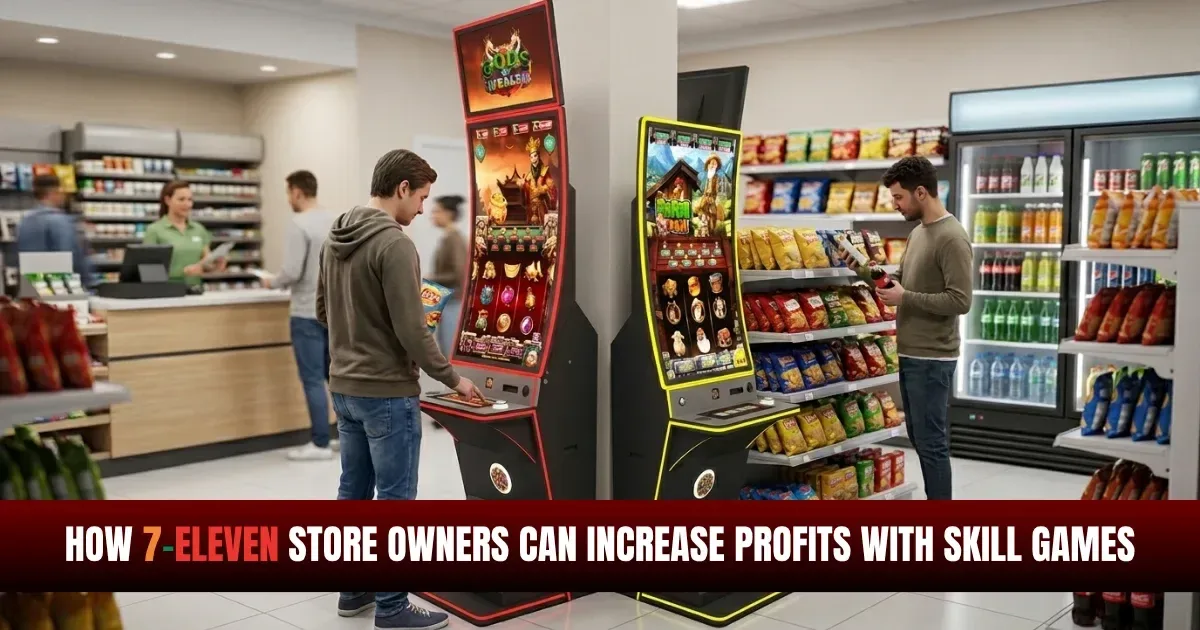
Running a store today can feel tough, no kidding. Margins are tight, costs keep rising, and foot traffic can be hit or miss. Some days are busy, other days feel slow, and yeah, it can get frustrating. Many owners are trying to increase profit at 7-Eleven stores without adding more work or hiring extra staff. That's where skill games for 7-Eleven stores are starting to stand out. They bring in steady income and keep customers around a bit longer, which really adds up over time.
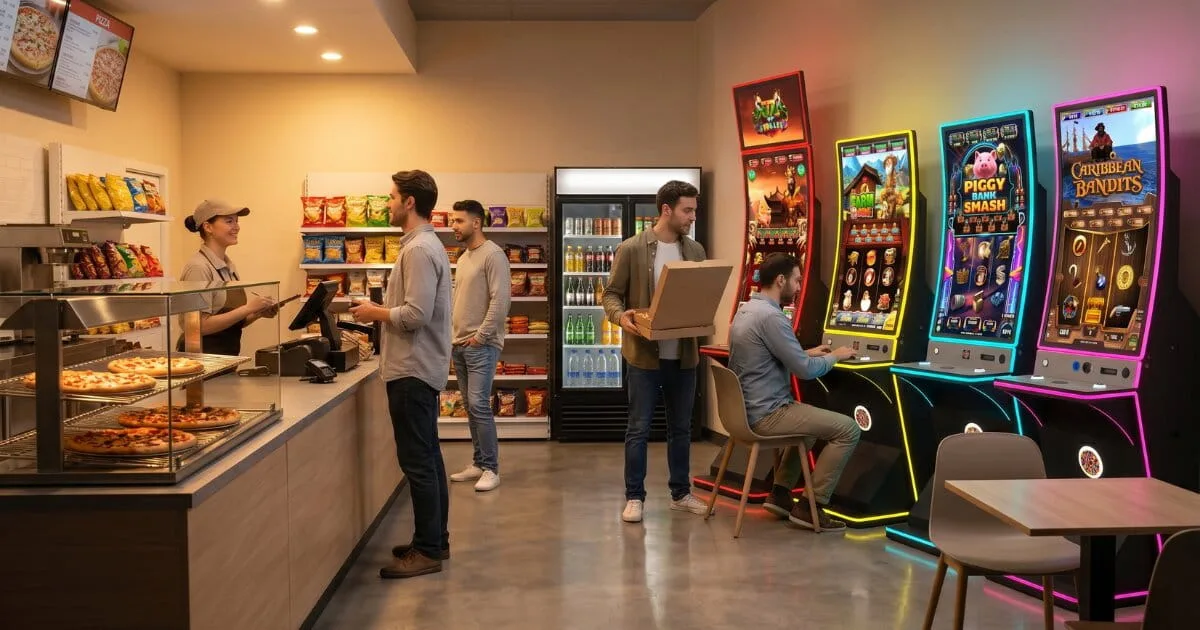
Across the country, more stores are adding skill games for their 7 eleven convenience stores as an extra income stream. The setup is simple, and it doesn't feel risky or complicated. These machines take up very little space and start generating convenience store passive income pretty quickly. Customers play for a few minutes, stay longer, and often pick up a snack or drink while they're there. It all connects naturally, and honestly, it just works.
Why 7-Eleven Owners Face Profit Pressure Today
Running a 7-Eleven gas station C-store today can feel tight, no kidding. Costs keep going up, but sales don't always keep up. That's why new ideas are being looked at. One option getting attention is skill games for convenience stores, and yeah, it's starting to show real impact. Many owners try different ways to increase profit convenience store, but results stay flat. Small fixes help a bit, sure, but they don't bring steady income.
Thin Margins on Everyday Products
Most stores sell a lot but earn a little, plain and simple. Snacks, drinks, and tobacco bring people in, but margins keep getting thinner. You move volume all day, yet profit stays limited. Fuel also doesn't contribute like before, which makes things harder.
At the same time:
- Labor costs are rising
- Utility bills keep increasing
- 24/7 operations add more pressure
It all builds up fast, and honestly, it can feel like a squeeze every single day. Because of this, many owners are looking beyond product sales. They want better ways to increase profit convenience store without adding more workload.
Why Skill Games Work Well in 7-Eleven Stores
Not every idea works in a store, but this one fits well, simple as that. Skill games for 7-Eleven convenience stores match how customers already behave. People walk in, wait around, grab items, or just pass time for a few minutes. That small gap is where these machines start working, you know.
For many owners, 7-Eleven skill games are more than just an add-on. They turn into a steady stream of convenience store passive income. Once installed, they run alongside daily operations without causing issues. No extra stress, no big changes, just a smart way to earn more over time.
What Are Skill Games and How Do They Work?
Skill games are machines where players use timing, decision-making, or simple strategies to win. It's not random. The outcome depends on how the player plays, which is why they are different from chance-based games.
Here's how they usually work:
- Players insert money and start a game
- They make choices or control actions during gameplay
- Wins depend on skill, not luck alone
- Rewards are given based on performance
These machines are already being used as skill games for convenience stores across many locations. They are easy to understand, quick to play, and keep customers engaged without confusion. Simple setup, simple use, nothing too complicated.
Built-In Foot Traffic Makes Skill Games a Natural Fit in 7-Eleven Stores
7-Eleven stores already have steady traffic all day and night. That's a big advantage, honestly. The 24/7 model means there's always someone walking in, whether it's early morning or late night.
Here's what happens over time:
- Walk-in customers notice the machines
- Some try it once out of curiosity
- Many come back again to play more
And this is where things start to shift:
- Dwell time increases inside the 7-Eleven store
- Customers stay longer instead of rushing out
- Extra purchases happen along the way
That's how skill games boost foot traffic at convenience stores in a natural way. People don't just come for products anymore. They come back for the experience too, and that adds up over time.
Small Footprint, Big Revenue Potential
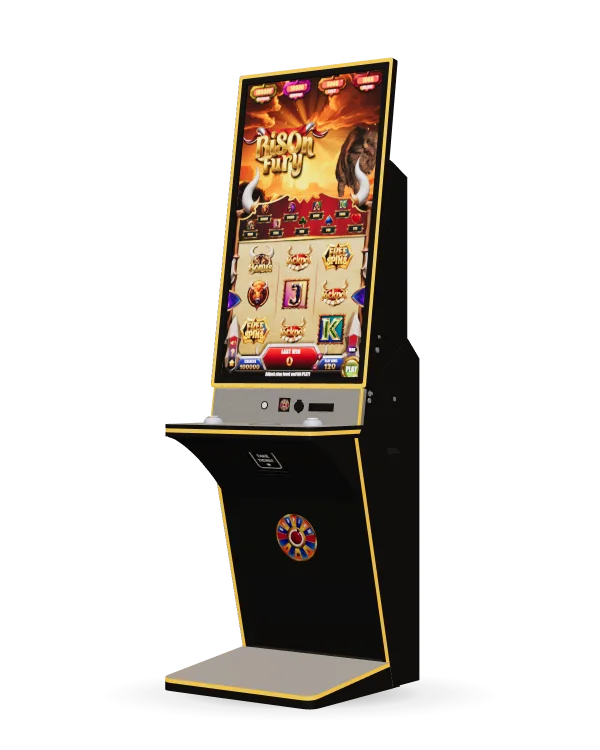
One of the best parts is how little space these Skil Game Machines need. Most units take around 5 to 7 square feet. That's it. No major layout changes, no big adjustments, just a small area used smartly.
Key benefits include:
- High revenue per square foot
- No need to remove existing shelves or products
- Easy placement near snack aisles or side walls
For store owners, this is a practical win. You're not sacrificing retail space, but you're adding a new income stream. That's why many see skill games for 7-Eleven stores as a simple way to increase profit convenience store without overcomplicating things.
Checkout How to Choose the Right Gaming Kiosk for Your Location? for more detailed information
Best Skill Game Placement Strategies Inside Your 7-Eleven Store
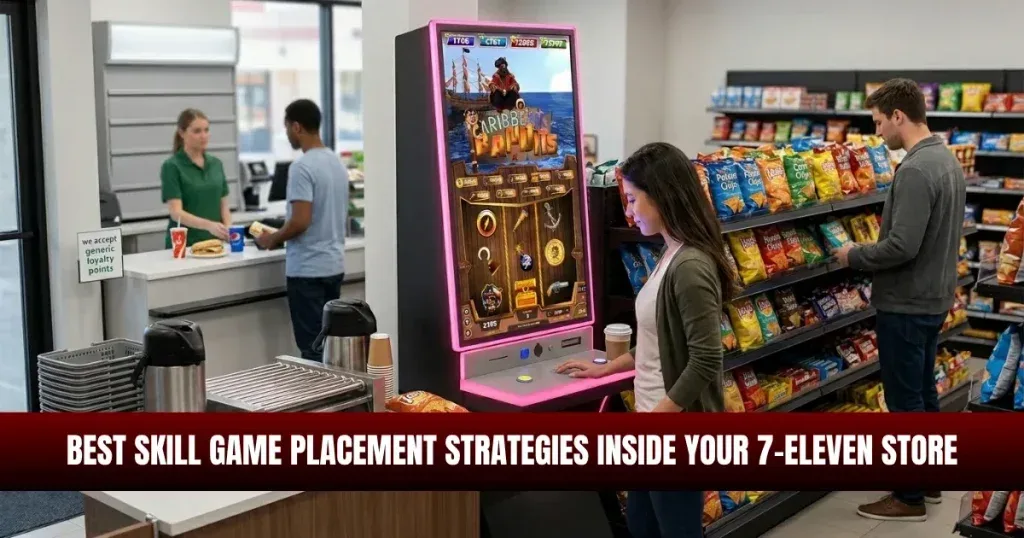
Placement can make or break your results, plain and simple. You could have great machines, but if they're hidden, they won't perform well. For many owners, getting the best skill game placement in a 7-Eleven store is what really drives results. A few small tweaks can change everything.
High-Visibility Zones Drive More Play to Your 7-Eleven Store
Visibility is key, no doubt about it. If customers can't see the machine easily, they won't walk up to it. Most plays happen on impulse, so the machine needs to be in clear view.
Here's what works best:
- Place machines near the store entrance
- Position them close to snack aisles
- Keep them visible from the checkout counter
When machines are easy to spot, people are more likely to try them. That's how skill games boost foot traffic convenience store without needing extra promotion.
Smart Placement of Skill Games with High-Margin Products
Smart placement is not just about visibility. It's also about what's nearby. When games are placed near high-margin products, sales naturally increase, simple as that.
Good placement ideas include:
- Near beverage coolers
- Close to ready-to-eat food sections
- Around coffee or hot food areas
You can also try small offers:
- "$5 play credit with fuel purchase"
- Discounts tied to food or drink combos
- Free-play during slow hours
This creates a simple loop:
Customer plays → stays longer → buys more
Common Mistakes 7-Eleven Store Owners Make with Skill Games
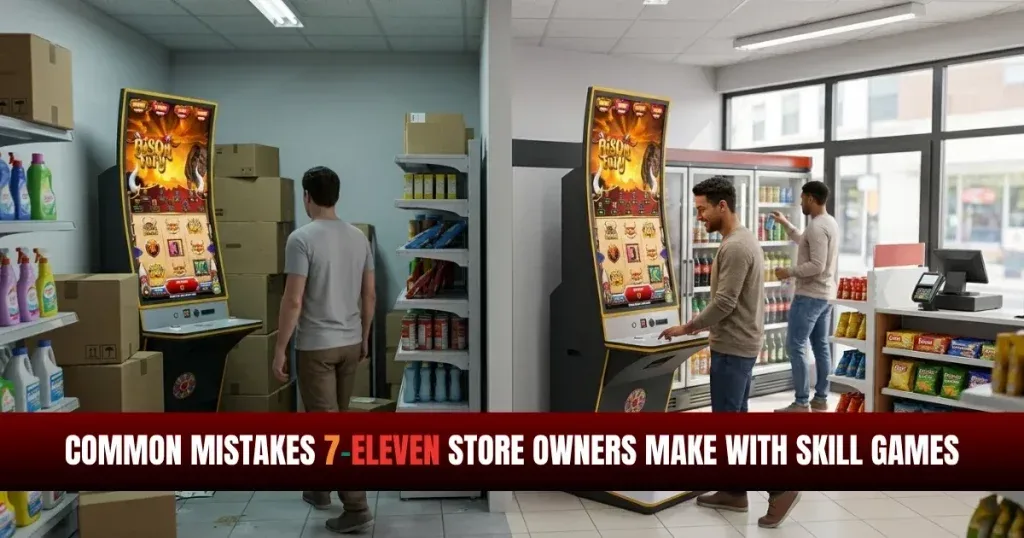
Adding Skill Games is one thing. Getting results from them is another. Many owners set up skill games for 7-Eleven C-stores but don't see the income they expected. Most of the time, it comes down to a few simple mistakes. Nothing too serious, but yeah, they do affect performance.
If you avoid these early, your setup works much better. It helps build steady convenience store passive income instead of slow or inconsistent returns.
Poor Skill Game Placement Reducing Visibility
Placement matters more than people think, honestly. If the machine is tucked away, customers won't notice it.
Common issues:
- Placed in corners with low foot traffic
- Blocked by shelves or displays
- Not visible from entry or checkout
When visibility drops, plays drop too. That's why choosing the best skill game placement in a 7-Eleven store is key from day one.
Choosing Outdated or Boring Games for Your Store
Not all games perform the same. Some skill games just don't keep players interested.
Problems you might see:
- Old themes that feel repetitive
- Limited game variety
- Low engagement from customers
For any skill game for 7-Eleven franchise owners, game quality directly affects daily income. Players want something fun and fresh. If the game feels dull, they won't come back. Machines that allow you to rotate different game themes or switch between multiple options keep things interesting for players.
Ignoring Regular Skill Game Maintenance and Uptime Issues
Even a good Skill Game won't earn money if it's not working. Sounds obvious, but it happens more often than you'd think.
Watch out for:
- Machines left inactive for hours
- Delayed fixes when issues come up
- Poor upkeep affecting player experience
A Skill game machine that is always running brings consistent returns. One that sits idle does nothing. Keeping uptime high is a simple way to increase profit at a 7-Eleven store without extra effort.
Not Tracking Skill Game Performance Data and Daily Earnings Trends
Some owners install machines and just leave them. No tracking, no review, nothing. That's a missed opportunity, honestly.
What gets overlooked:
- Daily earnings trends
- Peak play hours
- Which games perform better
When you track skill game performance, you can make better decisions. You know what works and what doesn't. That's how skill games for convenience stores turn into a stable and growing income stream over time.
Daily Operations and Maintenance Tips for 7-Eleven Skill Games
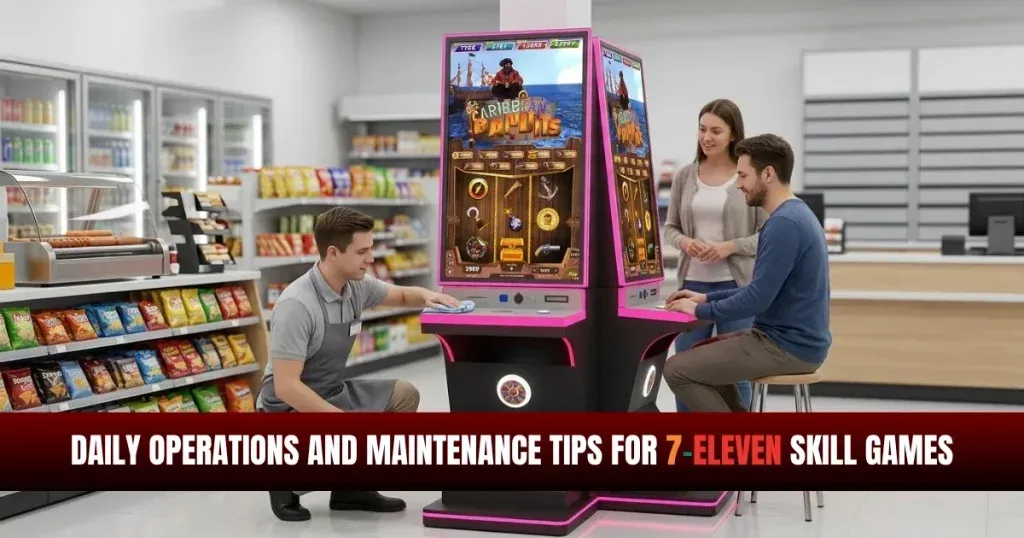
Once your Skill Games are set up, daily care is pretty simple, no big deal. You don't need extra staff or long routines. Just a few small checks keep everything running smooth. For many owners, this is why skill games for 7-Eleven stores work so well. They fit into the daily flow without adding pressure.
Good habits here help maintain steady convenience store passive income. Skip them, and yeah, performance can drop over time.
Simple Daily Checks for Uptime
A quick check each day goes a long way, It takes a few minutes, that's it.
Things to look at:
- Make sure machines are powered on
- Check screens and buttons are working
- Confirm games are running without errors
- Check ticket systems regularly
- Ensure payouts are processed correctly
- Keep enough change or balance ready
- Wipe screens and buttons daily
- Keep surrounding area neat
- Check for wear and tear
A well-kept skill game setup shows the machine is reliable. That builds trust and keeps 7-Eleven skill games performing better over time.
Handling Customer Queries Efficiently
Customers will have questions, especially new players. Keeping answers simple helps a lot, honestly.
Be ready to:
- Explain how the game works
- Guide first-time players
- Handle basic issues calmly
When customers feel comfortable, they play more often. That's how skill games for 7-Eleven stores turn into a regular part of the store experience and keep generating convenience store passive income day after day.
Calculating Your Potential Profit from Placing Skill Games in 7-Eleven Stores
Before adding anything new, most owners want to know one thing. How much can it earn, right? That's fair. For many stores, Skill Games become a reliable way to increase profit at 7-Eleven stores without changing core operations. A single machine can earn daily, and over weeks, that adds up nicely. The more consistent the play, the more stable the income, simple as that.
Adding Multiple Machines to Grow Income
Starting with one machine is fine, but adding more can increase earnings faster, no doubt. Many owners scale up once they see steady results.
Here's how it works:
- Two machines can roughly double revenue potential
- More options keep players engaged longer
- Different games attract different types of players
Some setups go even further:
- Multiplayer cabinets increase session time
- Tournament-style formats bring more competition
- Leaderboards encourage repeat visits
That's why many skill game for 7-Eleven franchise owners expand from one machine to multiple units over time. It's a practical
Final Thoughts on Increasing 7-Eleven Store Revenue
At the end of the day, store owners want steady income without extra hassle. That's exactly where skill games for 7-Eleven stores fit in. They don't replace your main business. They sit alongside it and quietly add value, day by day. It's a simple addition, but yeah, it can make a real difference over time.
For many owners, this becomes a long-term move. Not a quick fix, but a steady stream of convenience store passive income that keeps growing with usage. Once customers get used to it, they come back again and again. That repeat activity is what builds consistent results.
It also fits naturally into how stores already operate. Customers walk in, browse, and now they have one more reason to stay a bit longer. That extra time often leads to more purchases, simple as that.
If you're thinking about how to add skill games to a 7-Eleven store, the process is more straightforward than most expect. With the right setup and placement, it becomes a reliable way to increase profit convenience store while keeping operations smooth and manageable.
With RedPlum Games, getting started feels simple and clear. You get help with choosing the right Skill Games, setting them up, and making sure they perform well every day. If you're ready to build steady convenience store passive income, this is a smart next step, no confusion, just real results.
FAQs
1. Do skill games really help increase profit in a convenience store?
Yes, they do. Skill games increase profit convenience store by adding a new income stream without replacing existing sales. They also keep customers inside longer, which often leads to extra purchases like snacks and drinks.
2. How do I add skill games to a 7-Eleven store?
The process is simple. You choose the right machines, install them in high-visibility areas, and ensure they are always running. Many providers guide you through setup, placement, and ongoing support, making it easy to get started.
3. Do skill games increase foot traffic in convenience stores?
Yes, they do. Skill games boost foot traffic convenience store by attracting both new and repeat customers. Players often return regularly, which helps build consistent daily visits.
Related product
Solaris Game Cabinets
A 43-inch touchscreen in a cold-rolled steel body, with a curved, flat or J-panel display. Every cabinet runs the RedPlum game library and prints encrypted tickets your kiosks pay out.
Explore skill game machines