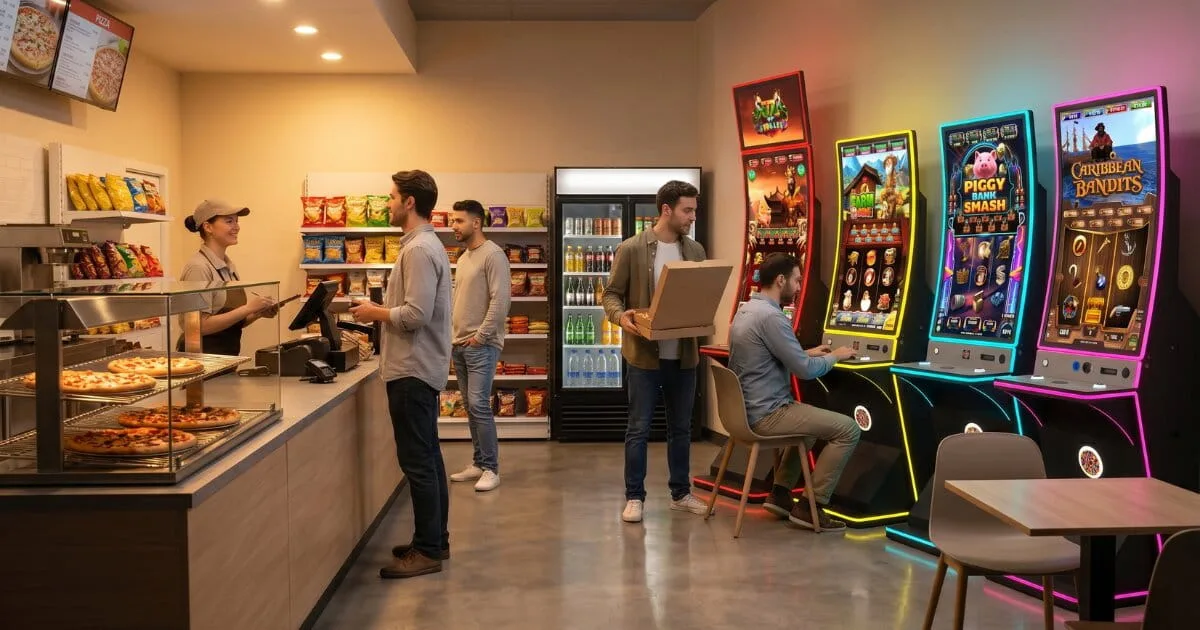
Running a store today is not just about selling products. You need people to stay longer, spend more, and come back again. That's where things get tricky, right? Many businesses try offers, discounts, or ads, but those don't always stick. A skill game operator partnership changes that by adding something customers actually enjoy while they spend time at your location.
Skill-based machines are already doing well in gas stations, liquor, and retail stores across the US. They bring in steady engagement, and yeah, they quietly generate income every single day. With a skill game revenue sharing agreement, you don't need to invest a large amount upfront. Instead, you get a working system that earns as people play.
This is where the RedPlum Games revenue split model stands out. It offers a skill game placement deal that is simple, scalable, and built for real-world business conditions. If you've been wondering how to add a new income stream without risking your capital, this setup is worth a close look.
What Makes This Partnership Different from a Machine Purchase?
Most business owners think about buying machines first. Sounds logical, sure. But once you see the numbers, it feels heavy, almost like you're locked in before you even start earning. A skill game machine placement contract gives you another path.
Instead of buying, you host. Instead of spending big, you share revenue. That's the shift.
Placement Deal vs. Owning Outright
Let's break this down in a simple way.
Owning machines means:
- You pay a large upfront cost for each machine, which can quickly add up if you plan to install multiple units across your location
- You are responsible for repairs, technical issues, and ongoing maintenance, which can eat into your profits over time
- You wait longer to recover your investment, especially if foot traffic or gameplay volume is inconsistent in the beginning
A skill game placement deal works differently:
- Machines are installed and set up by the operator, so you don't need to worry about sourcing or logistics
- No heavy initial investment is required, which makes it easier for small or growing businesses to get started
- Revenue is shared based on actual gameplay, meaning you start earning without financial pressure upfront
So, one model asks for money first, while the other lets the machine prove itself before you commit anything major. That's why many businesses prefer a placement fee vs revenue share model today.
Why Operators Prefer Revenue Sharing
Operators love this model, and honestly, it makes sense. A skill game operator profit model based on sharing allows faster growth without needing massive capital.
Here's why:
- You can place machines in multiple locations at the same time without needing to invest heavily in each new setup
- Risk is distributed across several locations, which reduces the impact of underperforming spots
- Earnings increase as more players engage with the machines, creating a scalable and repeatable income stream
This is exactly how amusement game route revenue sharing builds strong income over time. It starts small, then grows into a steady route. Not bad, right?
Risk vs. Reward in Each Model
Let's keep it real. Every model has trade-offs.
Owning machines:
- Requires a high upfront investment that can take time to recover depending on performance
- Gives full control over the total revenue generated, which can be attractive for long-term ownership
- Expansion becomes slower since each new machine requires additional capital
Revenue sharing:
- Keeps initial risk low, making it easier to test and grow without financial strain
- Profits are shared, but the barrier to entry is significantly reduced
- Scaling becomes faster since machines can be placed in multiple locations without heavy spending
If you're trying to understand how skill game profit splits work, it all comes down to how much risk you want to take at the start versus how quickly you want to grow.
How the RedPlum Revenue-Sharing Model Works
The RedPlum Games revenue split model is built around actual performance. No guesswork. No blind estimates. Everything is tracked and shared based on real gameplay.
This is a clean example of a game machine placement agreement structure that works in everyday business conditions.
Who Owns the Machine in This Deal?
In most skill game placement agreements, ownership stays with the operator or provider.
Here's how it usually looks:
- The operator owns the machines and handles all backend responsibilities related to performance and upkeep
- The business provides the physical space where the machines are installed and accessible to customers
- Revenue is shared between both parties based on agreed terms, creating a balanced earning model
This setup is part of a clear operator-owner profit arrangement. It removes the burden of ownership from the location while still allowing it to earn.
How Earnings Are Calculated Per Play
Each play generates revenue. Simple idea, but it adds up fast.
- Every game session is digitally recorded, ensuring accurate tracking of user activity and earnings
- Systems automatically calculate total plays and revenue, removing manual errors or guesswork
- Data is stored and accessible in real time, giving operators and locations full visibility into performance
With connected tools like RedPlum Connect, operators can monitor per-machine revenue distribution without confusion. You can see what's working and what's not, and yeah, that makes decision-making easier.
What the Operator Keeps Each Cycle
Revenue is split based on the agreement. This is your skill game revenue sharing percentage breakdown.
Typical process:
- Total earnings from all gameplay sessions are calculated over a set period, such as weekly or monthly
- The agreed percentage split is applied to determine how much each party earns from the total revenue
- Payouts are distributed in regular cycles, ensuring consistent income flow for both operator and location
If you're asking how much do skill game operators earn per machine, the answer depends on location quality, player activity, and the split. Still, strong locations can deliver steady monthly returns.
What Operators Must Bring to the Table
A skill game business partnership terms setup is not one-sided. The operator brings machines and systems, while the location must provide the right environment.
It's a shared effort, and yeah, both sides need to do their part.
Location Requirements and Foot Traffic
Not every location will perform well. You need:
- Consistent daily visitors who naturally spend time inside the store rather than just passing through quickly
- Customers who stay longer, giving them enough time to notice and engage with the machines
- Adequate space to place machines in visible and accessible areas without disrupting the store layout
Locations with strong traffic tend to generate better revenue per location skill game. That's just how it goes.
Operator Responsibilities in the Deal
Operators handle the heavy lifting.
- Installation of machines, ensuring they are properly set up and ready for immediate use by customers
- Ongoing maintenance and servicing to keep machines running smoothly and avoid downtime
- Tracking performance data and making adjustments when needed to improve overall earnings
This keeps operations smooth and supports long-term game route profitability analysis. If machines run well, earnings stay consistent.
Compliance and Permit Obligations
Rules matter. Always.
- Local laws and regulations must be followed to ensure machines are legally operated in the area
- Necessary permits and approvals may need to be obtained before installation and operation
- Placement guidelines must be respected to avoid any issues with authorities or business operations
This is part of any B2B gaming revenue contract. Ignoring compliance can cause problems, so it's always handled carefully.
What RedPlum Brings to the Partnership
Working with RedPlum Games is not just about placing machines. The system is designed to support real earnings over time.
Proprietary Software and Reporting Tools
You get:
- Real-time tracking that shows exactly how each machine is performing at any given moment
- Detailed performance insights that help identify which locations or machines are generating the most revenue
- Easy access to reports that simplify monitoring and decision-making without needing manual tracking
This helps you stay on top of your numbers and improves your game route profitability analysis without extra effort.
Recall Rewards and Switch It Up Features
These features directly impact player behavior, and yeah, they matter more than you think.
- Recall Rewards encourages players to return and continue playing by creating a sense of progression and anticipation
- Switch It Up allows operators to rotate game options, keeping the experience fresh and engaging for repeat users
More engagement leads to better earnings, improving your skill game deployment ROI over time.
How Updates Affect Your Revenue Stream
Regular updates keep machines relevant.
- Players remain interested as new content and features are introduced regularly
- Engagement stays high because the experience does not feel repetitive or outdated
- Revenue remains consistent as machines continue to attract both new and returning players
This strengthens your game machine placement agreement structure and keeps your operator-owner profit arrangement stable.
Understanding Agreements and Negotiation
If you're new, you might ask, what is a skill game placement agreement?
It's a contract that defines:
- Who owns the machines and how they are managed over time
- How revenue is split between the operator and the location hosting the machines
- Responsibilities of each party to ensure smooth operation and compliance
Knowing how to negotiate a skill game revenue share deal can improve your earnings. Small percentage changes can make a big difference over time.
You should also understand the skill game operator vs owner revenue model explained, so you know where you stand in the deal.
Final Thoughts on Building a Profitable Skill Game Route
A skill game operator partnership offers a practical way to grow income without heavy investment. It combines entertainment with business in a way that feels natural inside retail spaces.
With the right setup, strong locations, and a clear skill game revenue sharing agreement, operators can build a steady income stream that grows over time.
Working with RedPlum Games gives you the tools, systems, and support needed to make that happen.
Related product
Solaris Game Cabinets
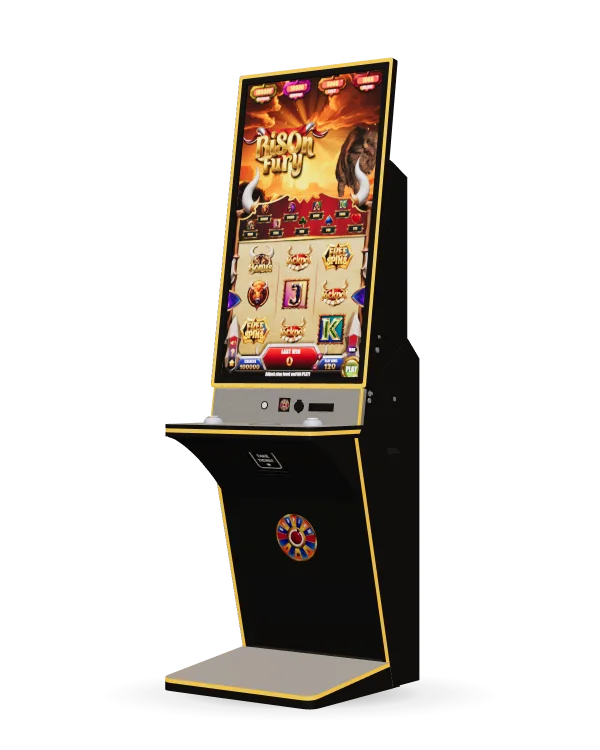
A 43-inch touchscreen in a cold-rolled steel body, with a curved, flat or J-panel display. Every cabinet runs the RedPlum game library and prints encrypted tickets your kiosks pay out.
Explore skill game machines