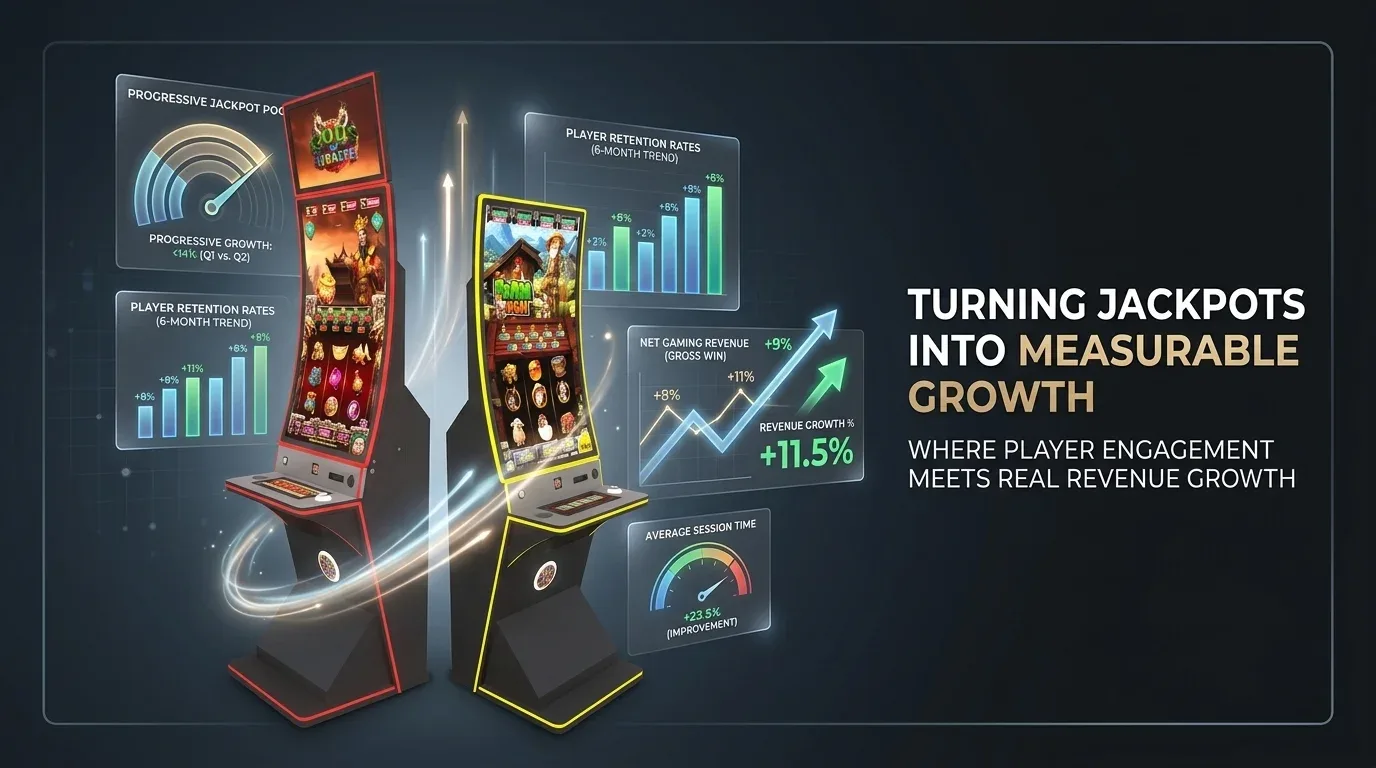
Every operator knows the feeling of watching a strong regular walk out and wondering when they will be back. Bars, convenience stores, and game rooms in states such as Pennsylvania, Missouri, and Virginia compete for the same limited player attention and repeat visits. The real question is not just how to attract play once, but how progressive jackpots increase player retention in a way that feels steady and measurable.
From what we see at RedPlum Games, progressive jackpots are far more than a flashy top prize. They are a practical business tool that taps into how people think, play, and return. When they are set up the right way, they keep players engaged for longer sessions and draw them back for quick repeat visits.
Here, we look at how progressive jackpots affect the brain, the main jackpot formats to consider, and the measurable impact they have on spend and visit frequency. We then share how our skill-based jackpot machines and operator tools at RedPlum Games help venues put all of this into practice with less stress and more control.
Key Takeaways
Before we go deeper, here is a short summary for busy operators who want the main points first.
- Progressive jackpots tap into powerful psychology. Variable rewards and fear of missing out keep players curious, engaged, and eager to return. That ongoing excitement is the core of stronger retention.
- Different jackpot formats fit different venues. Stand-alone, in-house, and time-based progressives let small shops and larger locations match prize style to foot traffic and player habits. Good fit leads to better long-term results.
- RedPlum Games combines skill-based jackpots with real-time tools. Our machines add player agency, while Live Track, the RedPlum Connect App, and CRTs keep operations smooth. That mix turns jackpots into a steady, trackable driver of revenue and loyalty.
#1 The Psychology Behind Why Progressive Jackpots Keep Players Coming Back

When we talk with operators about how progressive jackpots increase player retention, we almost always start with psychology. People do not return just for math; they return for how the game makes them feel. Progressive jackpots run on a variable reward system, which means players never know exactly when a big hit will land or how large it will be. That uncertainty sparks anticipation in the brain and releases dopamine, the same pattern that keeps people returning to video games and social apps.
Several psychological drivers work together here:
- Fear Of Missing Out (FOMO) A rising jackpot meter on the screen reminds everyone in the room that a big prize is getting closer. When players see that number climb while others keep playing, it is hard to step away. No one wants to be the person who walked out right before the big win, and that simple thought adds extra spins, extra minutes, and extra visits.
- Social Proof When a jackpot hits and the game celebrates the winner, it sends a clear message to everyone nearby that real players win real money. Even if the prize is not massive, the sight and sound of someone else collecting a payout build a quiet belief that the next big prize could be theirs. That belief keeps people in their seats longer and makes them more likely to stop in again later in the week.
- Habit Formation And Skill Many regulars start with short, ten-minute sessions while grabbing gas, a snack, or a drink. The mix of quick rounds, rising jackpots, and the chance for a significant hit nudges them into returning on a regular schedule. When skill comes into play, as it does on RedPlum Games machines, that habit grows even stronger. Players feel that their timing and choices matter, not just blind luck, which makes the experience more personal and worth repeating.
As a common saying in gaming circles goes:
"Players come for the jackpot, but they stay for the way the game makes them feel."
Progressive jackpots work because they feed that feeling over and over, without needing a giant win every time.
#2 Types Of Progressive Jackpot Systems And Which One Fits Your Venue
Not every venue needs the same style of jackpot, and as the Social Casino Market Size, growth analysis highlights, the diversity of game formats reflects the equally diverse preferences of today's players. The best way to see how progressive jackpots increase player retention at a specific location is to match the jackpot system to real conditions such as machine count, foot traffic, and local player tastes. Different structures serve small stores, single bars, and multi-location operators in different ways.
Here are the main types operators consider:
- Stand-Alone Progressives These live on a single machine. Only wagers on that game feed its jackpot, so the prize grows at a steady but modest pace. The payout size is usually smaller than linked systems, but wins are more frequent. That steady stream of local winners can create a loyal following around one or two favorite games, which works well for smaller bars, restaurants, and shops.
- In-House Or Proprietary Progressives These tie several machines together inside one venue or across locations owned by the same operator. Every spin on those linked games adds to a shared jackpot. Because more play feeds one pot, the prize grows faster and reaches more eye-catching amounts while still paying out often enough to feel reachable. Operators in Pennsylvania, Missouri, and Virginia often find this style ideal for building a loyal local base that talks about "their" jackpot.
- Wide-Area Progressives These connect machines in many different venues under a third-party network. Jackpots can reach very high numbers and attract attention from far away. However, odds of hitting the top prize are lower, and operators give up some control, since an outside company runs the pool. For many neighborhood locations, these are better as a headline draw than a day-to-day loyalty tool.
- Time-Based And Must-Drop Jackpots These are set to pay before a certain clock or dollar amount is reached. As the jackpot nears that trigger point, play typically speeds up because it feels riskier to walk away. This style works well in spots with regular traffic where players can see the timer or threshold coming closer.
- Personal Or Player-Tracked Jackpots Some systems support personal jackpots that follow one player's activity and only pay out to them. This design can create a strong bond with that single guest, especially if they visit several times a week and see their personal prize meter growing over time.
Choosing the right mix of these formats, and adjusting them based on data, is what turns jackpots from simple promotions into long-term retention tools.
#3 The Measurable Business Impact On Player Retention And Revenue

Strong psychology matters, but operators still ask for numbers. They want to know in plain terms how progressive jackpots increase player retention and revenue. When we look at performance data, the pattern is consistent: games with integrated progressives see higher average bets, more rounds per session, and higher turnover than the same titles without jackpots, a trend echoed by the broader Slot Machine Market Size, share, and growth analysis through 2033.
Across many venues, numbers often show that:
- Average bet size can climb by about 11% when a jackpot feature is active.
- Players tend to play roughly 8% more rounds per session.
- Operators see around 9% more player deposits and a similar lift in total turnover on existing games.
That extra time on device comes from the steady pull of the growing prize and the feeling that the next spin might be the one that lands it. When a jackpot is tied to a brand-new title and marketed as a special feature, the effect can be even stronger, with turnover on that new game rising well above normal launch levels.
Retention and acquisition work together in this setup:
- A big jackpot, whether local or networked, can draw new faces into a bar, store, or game room.
- Once they arrive, the ongoing chase for that prize, along with smaller wins along the way, gives them a strong reason to come back.
- Longer visits mean more chances for snack, drink, and impulse purchases, so the value of a loyal jackpot player stretches beyond the machine itself.
As many operators put it:
"If the jackpot is moving and the room feels alive, everything in the business does a little better."
With the right tracking, jackpots shift from a "nice extra" to a measurable driver of repeat play and revenue.
#4 How RedPlum Games Helps Venue Operators Maximize Jackpot Performance
At RedPlum Games, we design every part of our skill game platform around one main goal: helping operators get more repeat play and steady revenue from their floors.
That starts with game content. Our Prime, Xtreme, Horizon, and Xtreme2 titles (including player favorites such as Majestic Fortune, Piggy Smash, Farm Rush, Vegas Casino, Irish Pot O Gold, Jurassic Riches, and American Jackpot Junction) combine progressive jackpots with fast, engaging rounds that fit short, frequent visits.
Several features then build on that foundation:
- Recall Rewards This feature gives players a preview of a possible upcoming win. When someone can see what their next prize might look like, it builds a mix of curiosity and control that keeps them engaged. They feel like they are making an active choice to stay for "one more round," which is a powerful driver of loyalty over time.
- Switch It Up Content fatigue is real. Switch It Up lets each cabinet show any five of ten available games, and operators can pick the mix that fits their players. If one theme cools off, it is simple to swap in another without changing hardware. That constant freshness keeps regulars from drifting away to another venue just because they are bored.
- Live Track Dashboard And RedPlum Connect App On the operations side, our Live Track dashboard and RedPlum Connect App give real-time views into cash flow, tickets, earnings, and error states. Operators in Pennsylvania, Missouri, and Virginia can check performance from the back office or on the go and make quick decisions about bet settings, game mix, and jackpot configurations.
- Cash And Ticket Redemption Terminals (CRTs) CRTs handle payouts quickly and cleanly, which builds trust and reduces staff time at the counter. When players can cash out without hassle, they feel better about returning for another session.
All of this rests on stable hardware and around-the-clock support. Our cabinets are built for steady, high-volume use, and our team is ready to help any time a question or issue comes up. We also integrate smoothly with common systems such as Mutha Goose, Gaggle, and Pyramid Sentry, so operators can add RedPlum Games to their current setup without a long, painful install.
Put together, these pieces make progressive, skill-based jackpots a practical and reliable way to keep players coming back.
Conclusion
Progressive jackpots are not just a flashy add-on; they are a tested way to raise session length, repeat visits, and total spend. By mixing variable rewards, social proof, and a rising prize pool, they turn casual players into regulars who feel excited every time they step up to a machine.
The key is to pick the right jackpot style for the venue, pair it with games that invite repeat play, and then track the numbers through clear, real-time tools. When those pieces line up, operators see how progressive jackpots increase player retention in a way that feels steady instead of random.
We built RedPlum Games for operators who want that kind of steady growth with less guesswork. Our skill-based jackpot games, Recall Rewards, Switch It Up, live data tools, and fast redemption options all work together to support stronger loyalty. If it is time to make jackpots a core part of your business strategy, we are ready to help map out the right setup for your location and your players.
FAQs
1. What is the difference between a fixed jackpot and a progressive jackpot?
A fixed jackpot always pays the same top prize, no matter how much play the machine has seen. A progressive jackpot grows with every wager, so the prize amount rises until someone wins it. After a win, the progressive resets to a base value and starts building again.
2. How do progressive jackpots help increase player retention at my venue?
Progressive jackpots use variable rewards and fear of missing out to keep players engaged longer and bring them back more often. Data shows higher average bets and more rounds per session on games with jackpots. When those jackpots sit on skill-based RedPlum Games machines, players also feel their choices matter, which deepens loyalty even more.
3. What types of progressive jackpots are best for small or single-location venues?
Stand-alone and in-house progressives usually fit smaller venues best. Stand-alone jackpots create frequent local wins on a single machine, while in-house pools grow faster across several games and stay under the operator's control. With RedPlum Games, operators can shape their mix of games and jackpots to match their space, traffic, and player base.
Related product
Solaris Game Cabinets
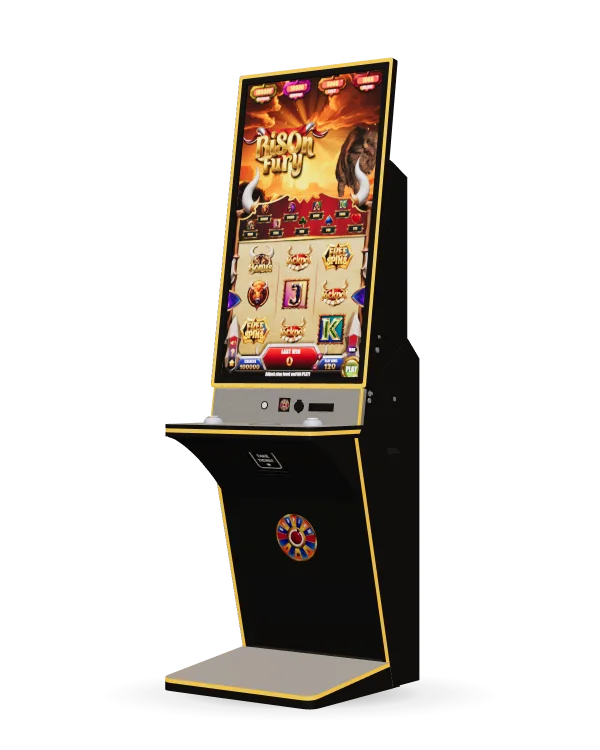
A 43-inch touchscreen in a cold-rolled steel body, with a curved, flat or J-panel display. Every cabinet runs the RedPlum game library and prints encrypted tickets your kiosks pay out.
Explore skill game machines